Physical Address
304 North Cardinal St.
Dorchester Center, MA 02124
Physical Address
304 North Cardinal St.
Dorchester Center, MA 02124

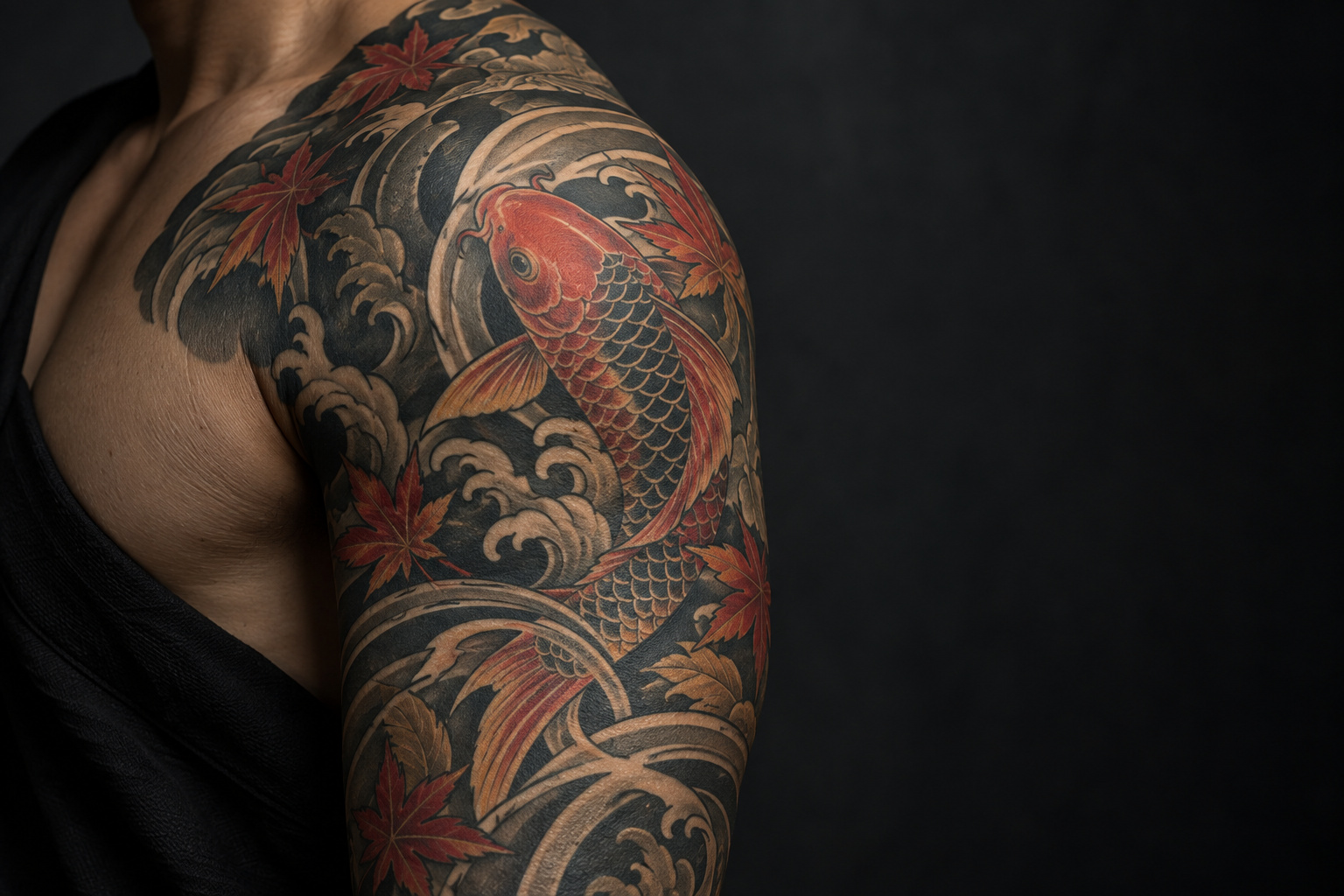
Japanese tattooing is a deep visual tradition in which subject, season, movement, background, and body placement work together. A respectful design begins with cultural context and a specialist artist—not a random collection of symbols.

Terms you may encounter include irezumi, horimono, and wabori, though usage varies. Large Japanese compositions often use wind bars, clouds, waves, rocks, and flowers to connect major figures across the body. The result is designed to move with anatomy and be read as one scene.
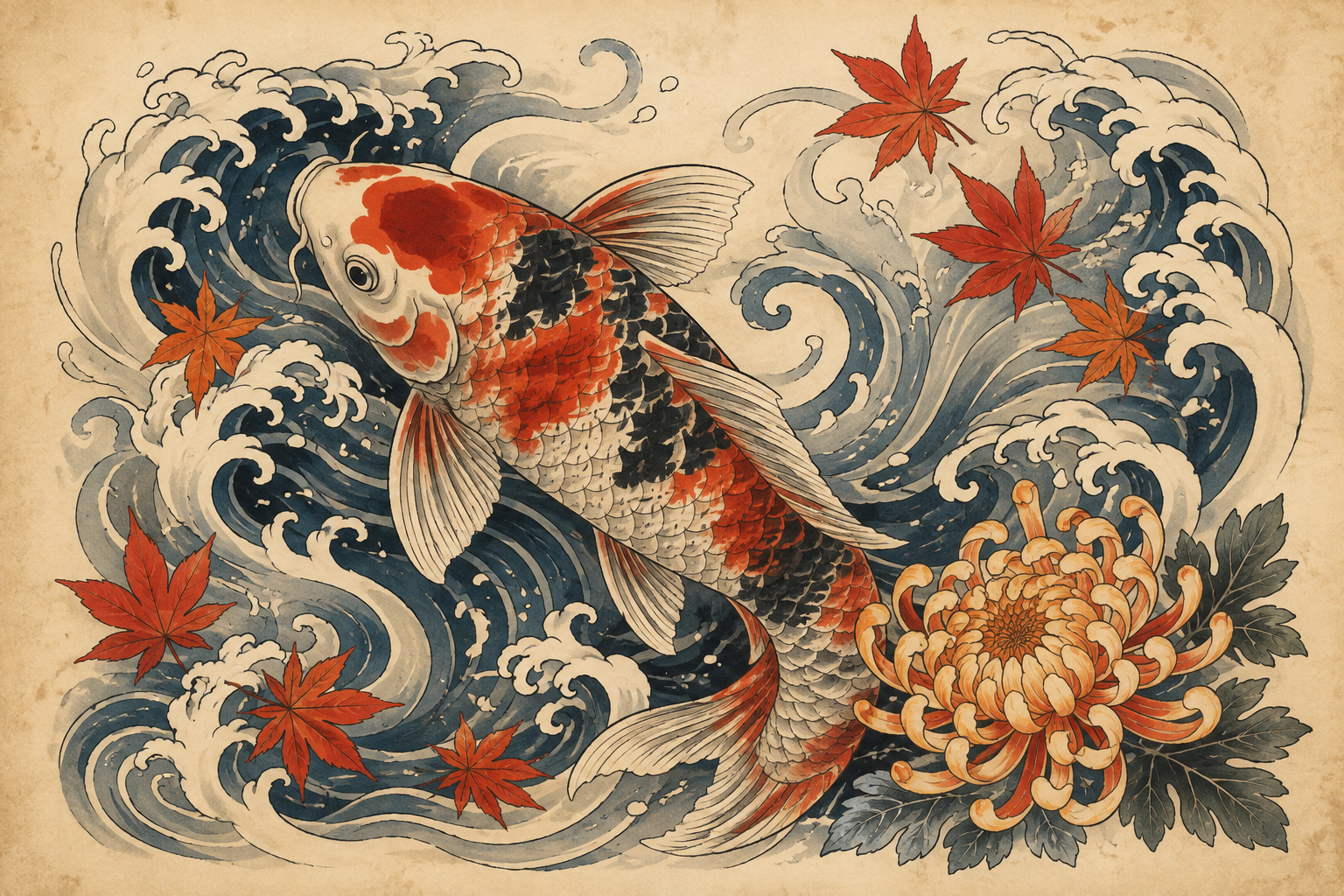
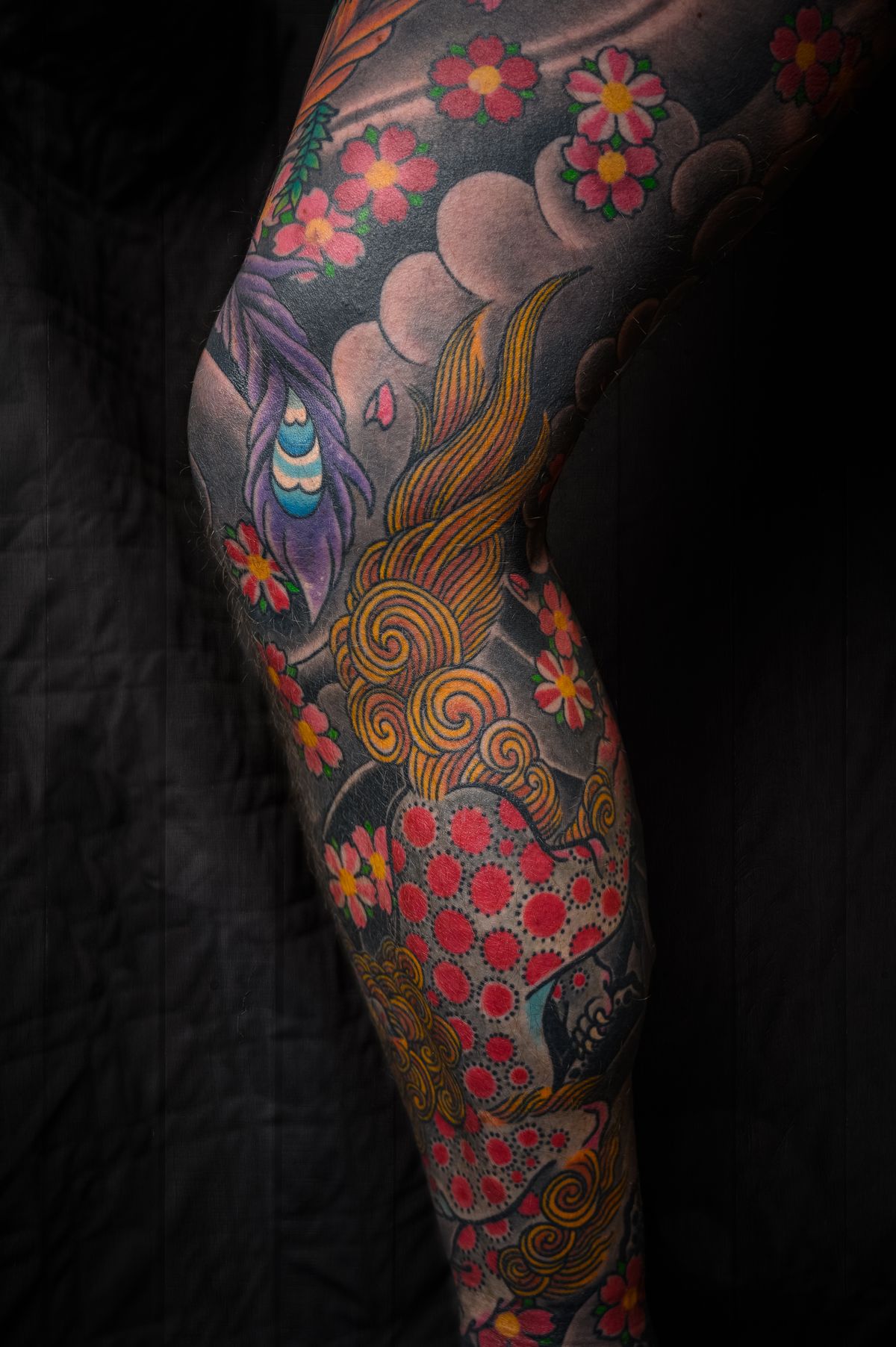
Japanese sleeves, back pieces, chest panels, and body suits depend on large-scale flow. Work with an artist who understands traditional composition, motif pairings, and how background elements frame the main subject. Research the history behind imagery, avoid copying sacred or culturally specific designs without understanding, and let the artist build an original arrangement.
Choose an artist whose portfolio already demonstrates this style. Compare healed work with fresh photographs, ask how the composition follows your anatomy, and discuss line weight, color, sessions, budget, and aftercare. Use inspiration as direction rather than requesting a copy; an original design will fit your body and story better.
It is a commonly used term for Japanese tattooing, although terminology and historical nuance vary. Ask a knowledgeable specialist about their approach.
Choose a main subject and story first, then let the artist coordinate season, secondary motifs, background, direction, and body flow.
Browse our guides to men’s tattoos, women’s tattoos, minimalist tattoos, small tattoos, fine-line tattoos, sleeve tattoos, traditional tattoos, Japanese tattoos, and matching tattoos.